The landscape of how people find help is shifting beneath our feet. For years, the path to getting more therapy clients was straightforward. You picked a few keywords, wrote some blog posts, and hoped Google put you on the first page. If you weren't on page one, you didn't exist. This binary reality created a lot of pressure for the average private practice owner.
It often felt like a race you couldn't win unless you spent thousands of dollars on monthly SEO packages. Today, the rules are changing. We are moving away from traditional search engines that simply provide a list of links. AI search for therapists is no longer a future concept — we are entering an era where private practice owners who understand this shift have a real competitive advantage without competing on ad spend.
You might have noticed Google’s "AI Overviews" at the top of your search results. Perhaps you have even used ChatGPT or Perplexity to find specific services. AI Overviews for private practice are now showing at the top of Google results — and being cited there is a new kind of first-page ranking. These tools do not just give you a list. They give you an answer. This shift is actually a massive opportunity for therapists who prioritize clarity and human connection over technical tricks.
If you have been wondering why you are not getting inquiries despite having a beautiful website, the answer might lie in how AI sees your practice.
Quick Start: Future-Proofing Your Practice
- Focus on Questions: Structure your content to answer the actual questions. For healthcare providers, answer engine optimization is a key part of this strategy. your ideal clients ask in the therapy room.
- Update Your Bio: Use plain, clinical language that emphasizes your specific experience and training rather than vague marketing fluff.
- Check Your Structure: Ensure your website uses clear headings and a logical flow so AI tools can easily "read" your services.
- Claim Your Profiles: Keep your Google Business Profile and professional directories updated with consistent information.
AI Search for Therapists: From Keywords to Conversations
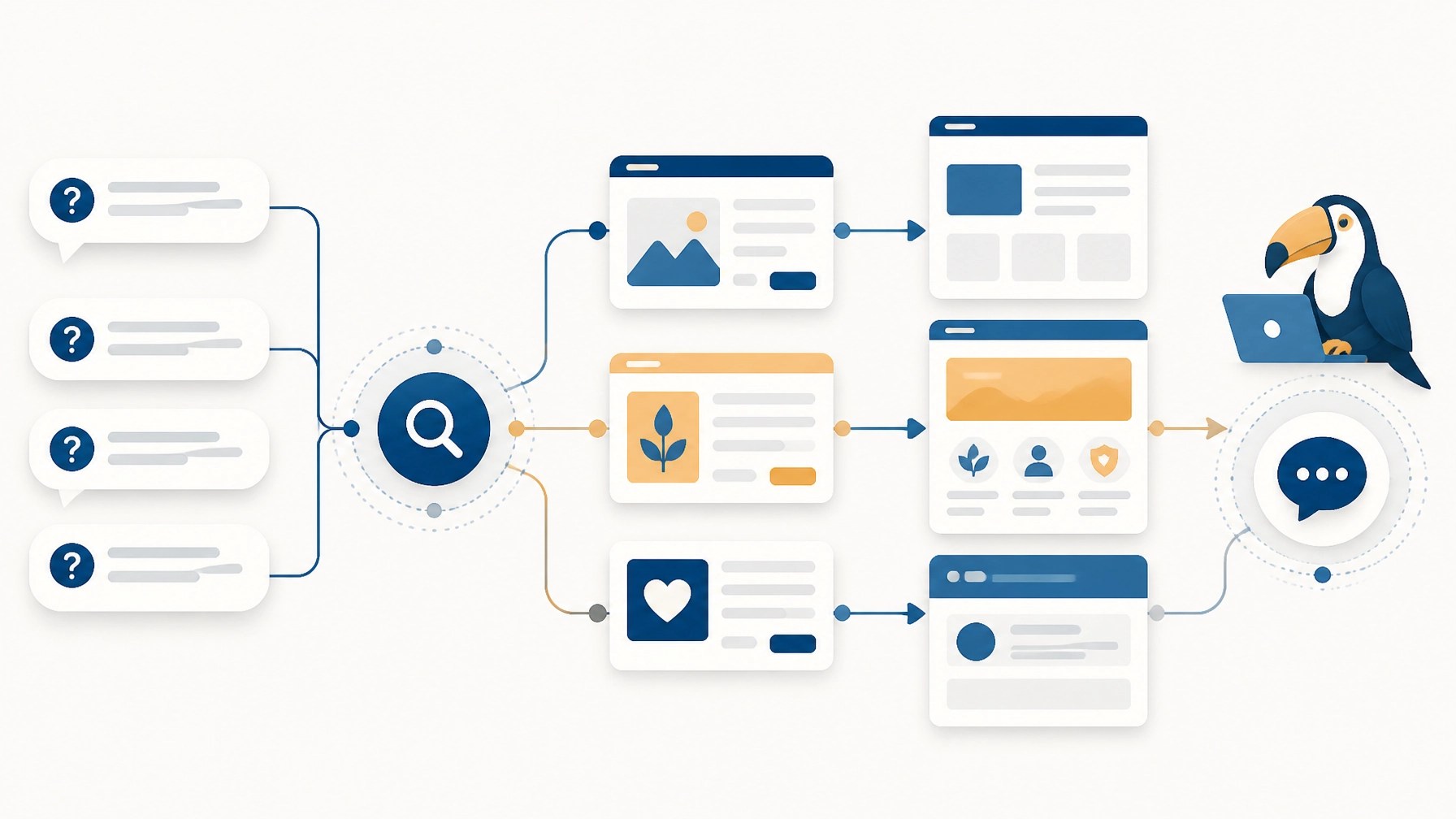
Traditional SEO was built on keywords. You wanted to rank for "trauma therapist in Chicago" or "anxiety counseling." While those terms still matter, AI search engines operate differently. They look for intent and context. They want to provide a helpful, conversational response to a user's problem.
Imagine a potential client typing "I feel constantly overwhelmed and I do not know if it is burnout or something else" into an AI search bar. The AI will not just look for the word "burnout." It will scan the web for an authoritative voice that explains the difference between burnout and clinical depression. It will look for a private practice owner who provides a clear path forward.
If your website is structured to answer these nuanced concerns, the AI is more likely to cite you as a trusted source. This is the core of getting more therapy clients in 2026. You are no longer just fighting for a spot in a list. You are positioning yourself as the most helpful answer to a human being's struggle.
Understanding Generative Engine Optimization (GEO)
You might be familiar with SEO, but a new term is taking its place. Generative Engine Optimization (GEO) is the process of making your website easy for AI models to understand, trust, and recommend.
In my experience building these systems, I have seen that AI values "semantic depth." This is just a fancy way of saying that the AI wants to see that you actually know what you are talking about. It looks for a high level of detail. It wants to see that your "Anxiety" page does not just mention the word twenty times. It wants to see you explain the physical symptoms, the different types of anxiety, and how your specific approach helps.
GEO is not about "tricking" an algorithm. It is about being deeply helpful. When you write thorough, compassionate content, you are naturally doing GEO. You are giving the AI the information it needs to confidently say to a user, "You should talk to this professional."
The Death of the "Digital Brochure"
For a long time, a website was treated like a static brochure. You put up your "About Me," your "Services," and your "Contact" page, and then you left it alone for three years. This approach is no longer effective for getting more therapy clients.
AI search engines prefer websites that act as dynamic knowledge bases. They favor sites that are frequently updated with relevant, helpful information. This does not mean you need to post on social media every day. It means your website should be a living reflection of your expertise.
When you add a new page explaining a specific modality or answering a common question about insurance, you are sending a signal to AI. You are telling the system that your practice is active, authoritative, and ready to help. This builds the "Ease" part of our SPACE method. A well-structured site does the heavy lifting of educating the client before they even click "book."
Three Practical Steps for AI-Readiness
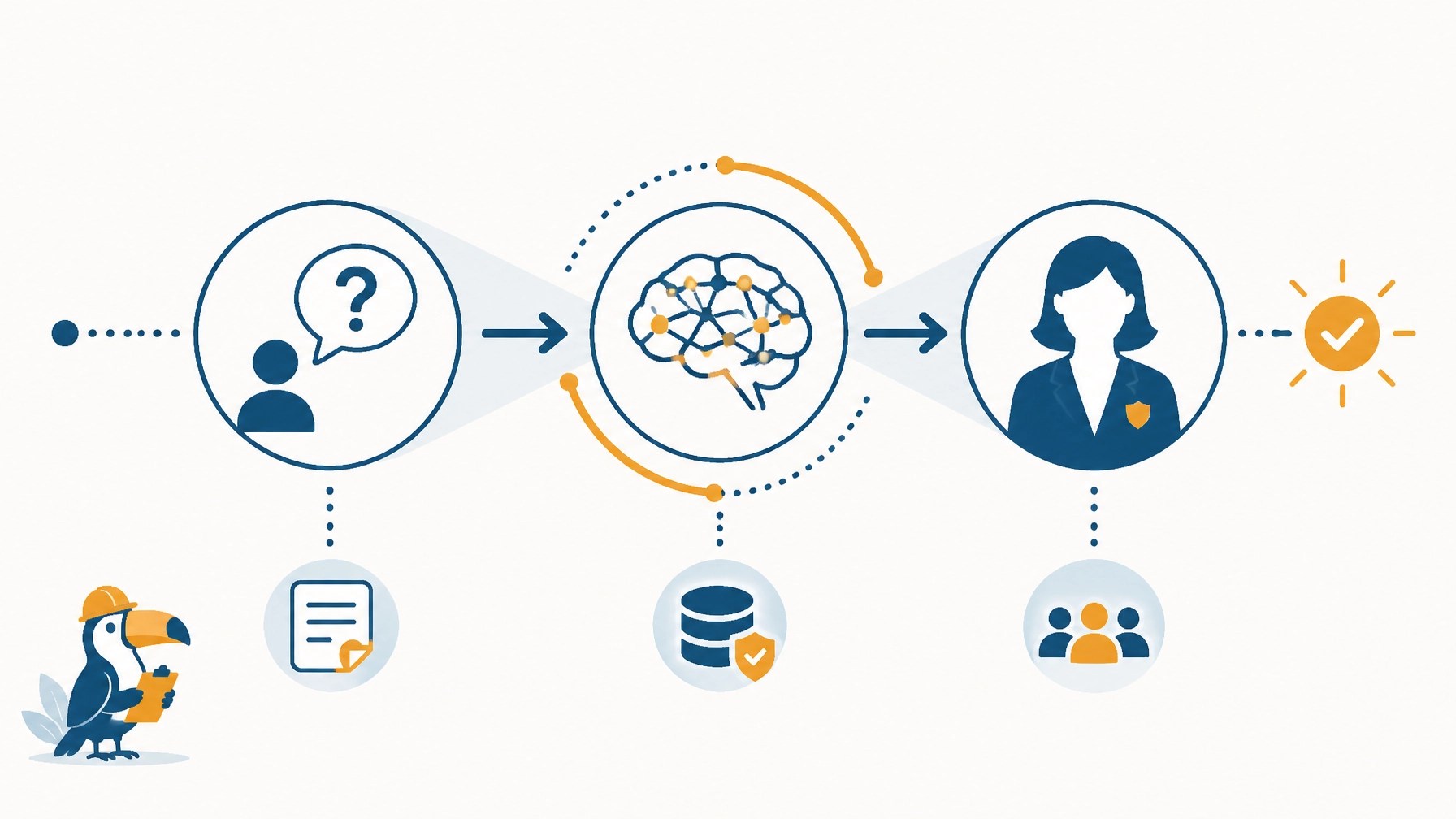
Transitioning your practice to be AI-ready does not have to be an overwhelming technical project. It is mostly about the way you present information. Here are three areas where every private practice owner can start.
1. Natural Language and FAQ Blocks
Stop writing for other clinicians. Use the language your clients use. If your clients often ask, "How do I know if therapy is working?" then that should be a heading on your site. Follow that heading with a clear, concise paragraph. AI tools love these Q&A structures because they are easy to lift and present as direct answers to users.
2. Structured Data and Clear Hierarchy
AI needs to know the "who, what, and where" of your practice without any guesswork. This is where technical structure comes in. Your website should use clear H1 and H2 tags to organize information. You should also ensure your "Local Business" schema is correctly set up. If you are not sure if yours is working, you can start with an SEO audit to see where the gaps are.
3. Demonstrating Authority (E-E-A-T)
Google and AI models prioritize Experience, Expertise, Authoritativeness, and Trustworthiness (E-E-A-T). For a private practice owner, this means being specific about your credentials. Do not just say you are a therapist. List your specific certifications. Mention how many years you have been in practice. Link to professional organizations you belong to. These are all "trust signals" that AI uses to verify that you are a legitimate, safe recommendation for a user in distress.
Sustainable Marketing: Why AI Search Saves You Time
The most common concern I hear from private practice owners is about time. "How do I find the time to do all of this?" is a question that keeps many people up at night.
The beauty of AI search is that it rewards quality over quantity. You do not need to produce a massive amount of content to be successful. You just need a few high-quality, well-structured pages that truly represent your expertise. One deeply helpful article about a specialty can do more for your practice than fifty generic "wellness tips" on Instagram.
When your website is optimized for AI, it becomes an automated inquiry machine. It answers questions while you are in session. It builds trust while you are asleep. This reduces your administrative burden and ensures that the people who finally reach out to you are a "good fit." They have already read your answers. They already understand your approach.

Your AI-Readiness Checklist
If you want to ensure your practice remains visible as search continues to evolve, use this checklist as your roadmap.
- Identify 5 core questions: What are the top 5 questions your clients ask in the first session? Create a page or section for each.
- Audit your headings: Check your main service pages. Are the headings clear and descriptive?
- Review your bio: Remove jargon. Ensure your credentials and years of experience are easy to find.
- Check mobile speed: AI models prioritize sites that load quickly on mobile devices.
- Verify your Google Business Profile: Ensure your address, phone number, and services match your website exactly.
The transition to AI search can feel like another thing to worry about, but it is actually a return to what therapists do best. It is about providing clear, honest, and helpful information to people who are looking for a way out of their struggle.
If you're not sure what to fix first, start with our SEO services to build a foundation that works for both humans and AI. We specialize in making this process calm and strategic. We help you move from being overwhelmed by tech to being empowered by it.
If you want this built for you, here’s the cleanest next step. Let’s look at your current site and see how we can make it an authoritative, AI-ready space that consistently connects you with the clients you are meant to serve