
Ranking in the Google Map Pack for your private practice is one of the fastest ways to get in front of local clients who are actively searching for a therapist. I spent years building systems for websites before I fully realized how much extra work I was making for myself by ignoring Google Maps. For a long time, I focused entirely on the "traditional" organic search results. I thought that if the website was beautiful and the blog was active, the clients would just show up. They did, eventually. But when I finally figured out how to get a private practice owner ranking in the Map Pack, the speed of growth changed completely.
The Map Pack is that little box at the top of a Google search that shows three local businesses and a map. According to Google’s local ranking guidance, relevance, distance, and prominence are the three factors that determine who shows up — and all three are things your Google Business Profile directly influences. For a private practice owner, this is prime real estate. It is often the very first thing a potential client sees when they are in crisis or searching for help. If you aren't there, you are basically invisible to a huge chunk of your local community. You don't need to be a tech genius to get this right. You just need a specific strategy to show Google that you are the most relevant, prominent, and local choice for your specialty.
Quick Start: 3 Steps to Take Today
- Verify your NAP consistency. Ensure your Name, Address, and Phone number are identical across your website, Google Business Profile, and all directories.
- Audit your Primary Category. Log into your Google Business Profile and make sure your primary category is exactly what your clients are searching for, such as "Psychotherapist" or "Mental Health Clinic."
- Send three review requests. Reach out to three current or past clients who have expressed satisfaction and ask for a quick Google review.
Why Ranking in the Google Map Pack Matters for Private Practice
When someone searches for "therapist near me" or "anxiety counseling in [City Name]," Google triggers a local search intent. This brings up the Map Pack. This section sits above the regular blue links. It provides immediate contact info, directions, and reviews. For a busy private practice owner, this is the ultimate shortcut to visibility.
Ranking in the Map Pack is different from traditional SEO. It relies on three main pillars: Proximity, Relevance, and Prominence. Proximity is how close you are to the searcher. Relevance is how well your profile matches the search terms. Prominence is how much Google trusts you based on your reviews and online mentions. Using the SPACE method, we focus on Strategy first. We want to align your goal of getting more clients with the way Google’s algorithm actually works. By optimizing for these three pillars, you create a Presence that feels calm and professional right from the search results page.
Step 1: The Foundation of Proximity and NAP Consistency
The very first thing any private practice owner must do is handle the technical foundation. This is called NAP consistency. NAP stands for Name, Address, and Phone number. This sounds simple. However, it is where most people fail.
Google’s robots are very literal. If your website says "123 Main Street" but your Google Business Profile says "123 Main St.," Google might see those as two different places. This creates confusion for the algorithm. Confusion leads to lower rankings. You want to ensure that every single mention of your practice online is identical. This includes your website footer, your Psychology Today profile, and your social media pages.
If you are currently working from a home office or providing telehealth only, you might feel stuck. Google requires a physical address for a Map Pack listing. You can hide your address from the public, but you still need a verified location to rank. If you’re not sure how to set this up safely, you can check out our SEO services for a deeper dive into the technical side of local setup.
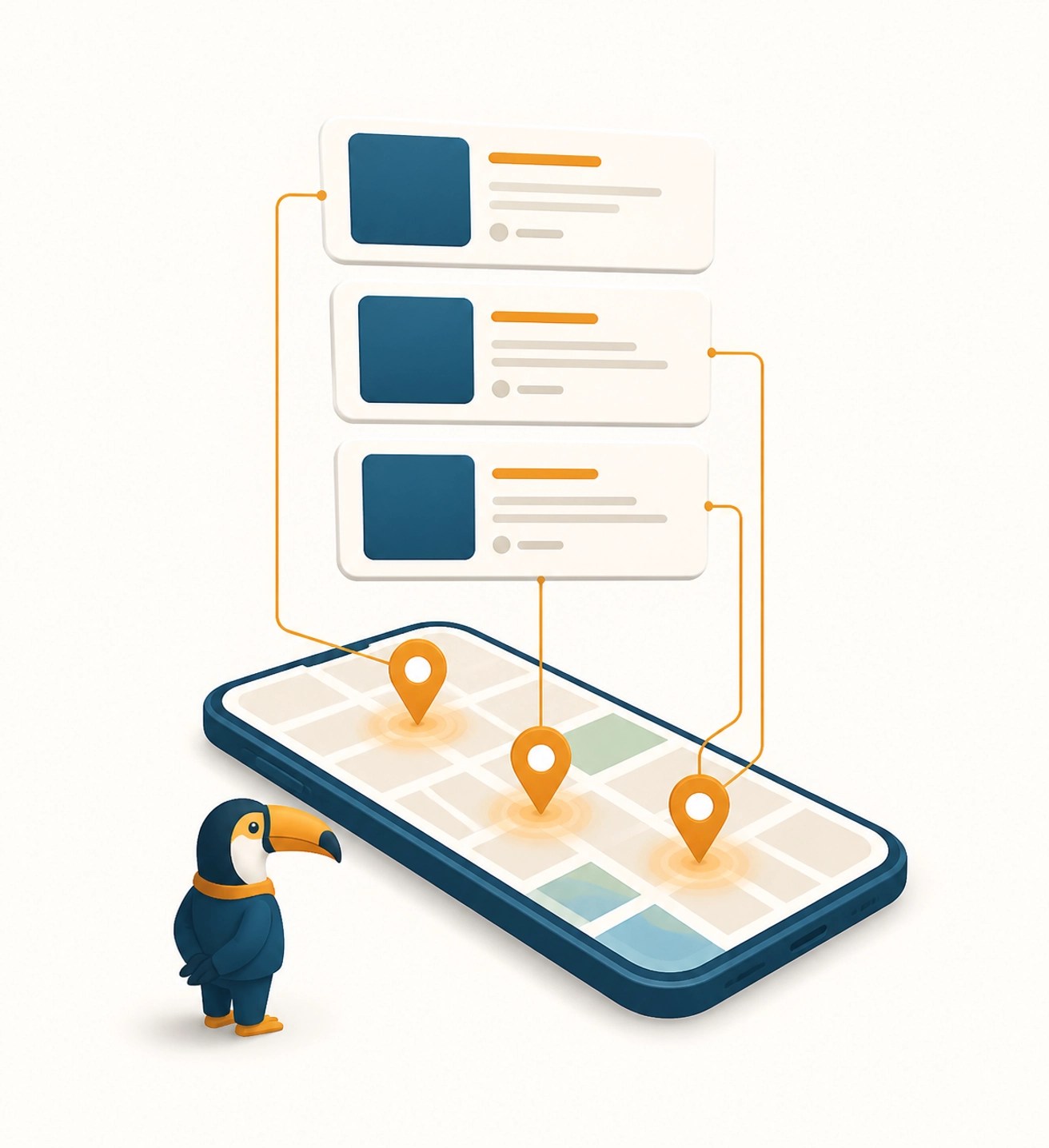
Prompt: A screenshot illustration of a Google Map Pack result for a therapy search, highlighting the "Local 3-Pack" area with friendly, clean annotations.
Step 2: Optimizing Your Google Business Profile for Relevance
Once your foundation is solid, you need to make sure Google knows exactly what you do. This is the "Relevance" pillar. You do this through your Google Business Profile (GBP).
The most important setting in your GBP is your Primary Category. This is a huge ranking factor. If you are a solo practitioner, "Psychotherapist" is often the best choice. If you run a larger group, "Mental Health Clinic" or "Mental Health Service" might be more appropriate. You can add secondary categories as well. For example, if you specialize in kids, you might add "Child Psychologist."
Another major factor is your business title. Research shows that having keywords in your title can significantly boost your ranking. However, you have to be careful. Google can penalize you for "keyword stuffing." A safe way to do this is to include your location and specialty if it is part of your legal business name or a registered DBA. For example, "City Name Counseling and Wellness" is much stronger than just "Counseling and Wellness." This provides Clarity to the searcher before they even click.
Step 3: Building Prominence Through Authentic Reviews
Prominence is essentially your digital reputation. Google wants to recommend businesses that people actually like. This is where reviews come in.
For many a private practice owner, asking for reviews feels uncomfortable. There are ethical considerations to keep in mind regarding client confidentiality and solicitation. Always check with your specific licensing board and ethics guidelines. Most practitioners find success by making the process easy for clients who have already graduated or provided unsolicited positive feedback.
To create Ease in this process, you should have a direct link to your review page ready to go. You can find this in your Google Business Profile dashboard. Instead of asking clients to "search for me on Google and leave a review," you can send them a direct link. A steady stream of 5-star reviews tells Google that you are a prominent and trusted member of the community.

The Role of Website Authority in Local Rankings
Your website and your Google Business Profile are connected. Google looks at your website to verify the information on your profile. If your website is slow, hard to navigate, or doesn't mention your location, it will hurt your Map Pack rankings.
We often see private practice owners who have a great GBP but a website that hasn't been updated in years. Your website needs to have your NAP info in the footer. It also needs dedicated "Service Area" pages or local landing pages. For instance, if you are located in Austin but serve the surrounding suburbs, having a page about "Therapy in West Lake Hills" can help Google connect the dots.
A well-designed website also improves your "Presence." When a client clicks through from the Map Pack, they should land on a page that feels warm and inviting. If you’re feeling like your current site is holding you back, take a look at our website design page to see how we build sites that convert local traffic into actual inquiries.
Your Local SEO Checklist (Mini SOP)
This is a simple system you can follow once a month to maintain your rankings. Consistency in these small tasks leads to long-term authority.
- Monthly NAP Check: Search for your practice name and ensure no new directory has listed your old phone number or a misspelled address.
- Weekly Photo Update: Upload one or two photos to your Google Business Profile. These can be photos of your office, your waiting area, or even a nice sunset from your office window. It shows Google the profile is active.
- Review Response: Respond to every review you receive. Keep it professional and brief. Do not confirm that the person is a client if they haven't explicitly stated it, to protect their privacy.
- Q&A Section: Use the "Questions and Answers" feature on your profile. You can actually post your own questions and answer them. This is a great place for FAQs like "Do you take insurance?" or "Where do I park?"
- Service Updates: Ensure your list of services in the GBP matches what is currently on your website.

Why This Matters for Your Nervous System
Most marketing advice tells you to "post more on Instagram" or "start a TikTok." That can be exhausting for a busy private practice owner. Local SEO and Map Pack ranking is the opposite of the content treadmill. It is a set-it-and-forget-it system (mostly).
Once you are in those top three spots, you get a consistent flow of inquiries without having to perform for an audience. This creates Ease in your business. You can focus on your clinical work while your digital presence does the heavy lifting of finding the right clients for you.
If you want this built for you, the cleanest next step is to reach out for a consultation. We can look at your current rankings and see exactly where the gaps are. You don't have to navigate the technical weeds alone. You can learn more about us on our about page.
Ranking in the Map Pack isn't magic. It is just a series of deliberate, strategic steps that prioritize the user experience. By being clear, consistent, and active, you show Google: and your community: that you are ready to help.
If you’re not sure what to fix first, start with an audit. It’s the best way to see exactly what’s standing between you and that top-three spot. We can map this to your site in a quick session and get you moving toward a more sustainable, well-booked practice.