What to Put on Your About Page to Build Instant Credibility
Your About page is almost always the second most visited page on your website, and most private practice owners get stuck writing it. Here’s how to give visitors a reason to trust you, without sounding like a dry resume.
Your About page isn’t really about you, it’s about whether the client reading it feels understood. Lead with their experience before your credentials, explain what your certifications actually mean for them, and keep self-disclosure to “finished stories” rather than open wounds.
Key takeaways
- Your About page is really about your client. It answers one silent question: do you understand what they’re going through right now.
- Lead with their experience, not your resume. Mirroring the client’s struggle before listing credentials builds rapport before it builds authority.
- Translate your credentials into client benefits. Explaining what EMDR or a PhD actually means for the client matters more than the acronym itself.
- Share finished stories, not open wounds. Personal disclosure should serve the client’s confidence in you, not your own processing.
- A professional headshot is non-negotiable. A clear photo looking at the camera builds a sense of safety before the first call.
You are staring at a blinking cursor on your therapist about page, wondering what to say. You know you need to sound professional. You also want to sound approachable. Most private practice owners get stuck here because the “About” page feels like a high stakes performance. You wonder if you should list every training you have ever taken. You worry about whether sharing a personal hobby makes you look less serious.
Your About page is almost always the second most visited page on your website. After someone lands on your homepage and thinks your services might fit their needs, they click that link to see if they can trust the person behind the screen. They are looking for a reason to say yes. This post will show you how to give them that reason without feeling like you are writing a dry resume. We will look at specific therapist bio examples and the credibility markers that actually matter to clients.
The secret to a high-converting about page
Most people think an About page is a place to talk about themselves. This is actually a mistake. While your name and photo are there, the page is really about your client. It is about their search for safety and expertise. When a potential client reads your bio, they are asking one silent question. They want to know if you understand what they are going through right now.
If you lead with where you went to school in 1998, you might lose them before they get to the good part. You want to start by mirroring their experience. Use language that describes the struggle they are facing. If you work with parents of neurodivergent kids, talk about the exhaustion of the school meeting cycle. If you work with tech professionals, talk about the weight of high performance expectations.
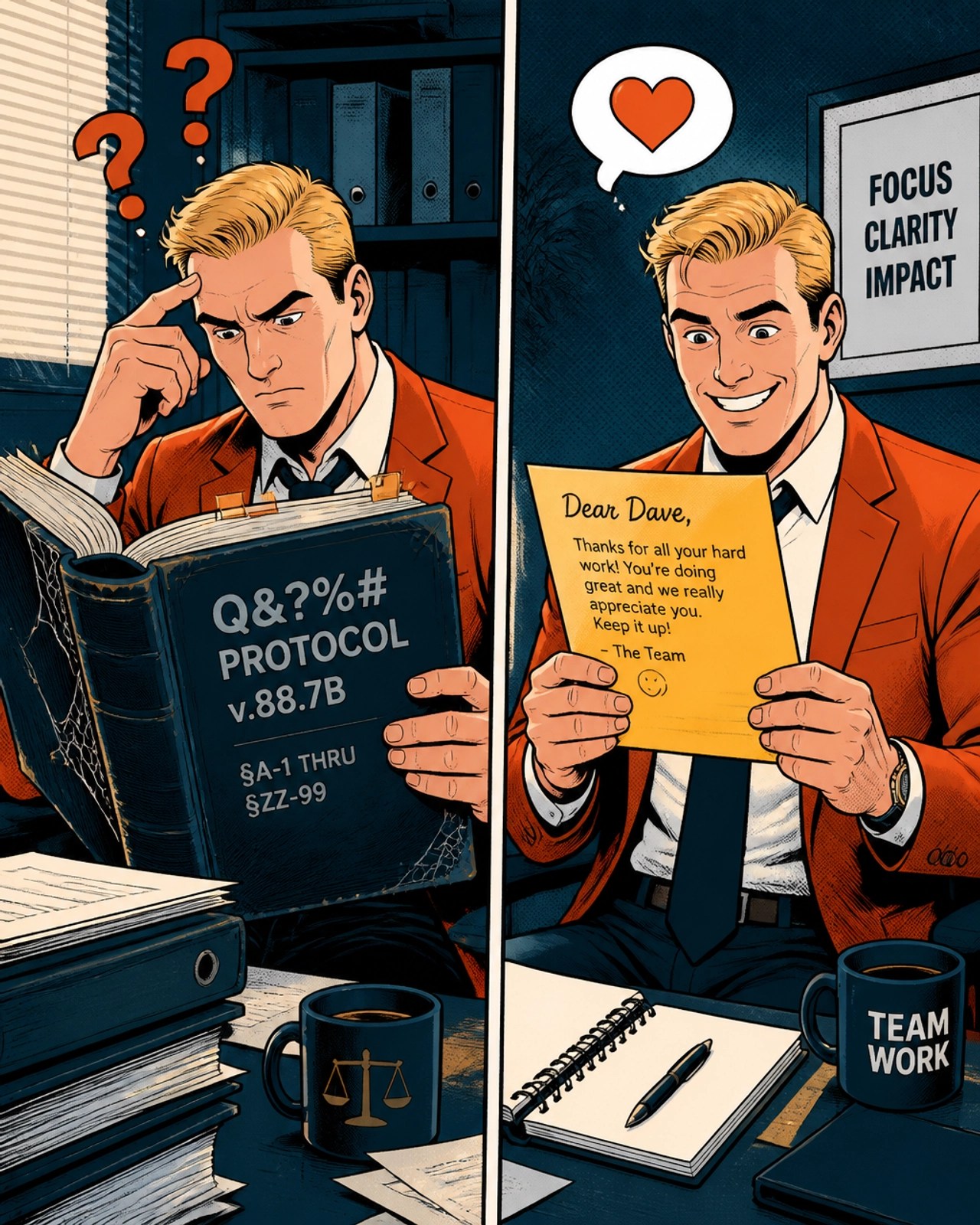
By starting with their world, you build immediate rapport. This creates a foundation of empathy. Once they feel seen, they are much more interested in your credentials. You are no longer just a list of degrees. You are a specialist who has the exact tools they need.
For a look at how these pages come together across different practices, explore our therapy website examples.
Balancing expertise and connection
Building credibility requires a mix of two things. You need expertise and you need warmth. If you have only expertise, you risk sounding cold or clinical. If you have only warmth, the client might wonder if you actually have the training to help them with deep trauma or complex anxiety.
The most effective therapist bio examples follow a specific flow. They move from the client’s problem to the therapist’s expertise and then to the personal connection. Think of your bio as a bridge. The first side is the client’s current pain. The second side is the life they want to lead. You are the bridge that helps them cross.
Highlighting your credentials without the jargon
Your education and licenses are the backbone of your professional identity. However, most clients do not know what many of the acronyms stand for. Listing that you are an “LCSW with training in EMDR and DBT” is a great start. But you should explain why those letters matter to the client.
Instead of just listing EMDR, explain that you use a specialized approach to help the brain process difficult memories so they no longer feel so intense. Instead of just mentioning your PhD, mention that your years of research were focused on the exact issues your clients face today. This translates your hard work into client benefits. It shows that you did not just go to school. You went to school to become an expert for them.
Three therapist bio examples to guide you
Different niches require different tones. A therapist working with children will sound very different from a psychologist working with corporate executives. Here are three therapist bio examples you can use as a starting point.
The niche expert: “I am Sarah Jenkins, a Licensed Professional Counselor specializing in ADHD in adult women. Many of my clients come to me feeling like they are constantly behind despite working twice as hard as everyone else. I earned my Master’s from State University and have spent the last decade focusing exclusively on neurodivergence. My approach combines practical executive function coaching with deep identity work. I help you stop fighting your brain and start building a life that actually fits how you think.”
The relational specialist: “I’m Mark Davis, an LMFT dedicated to helping couples rediscover why they liked each other in the first place. Constant bickering can make your home feel like a minefield. I use the Gottman Method to give you actual, research backed tools to de-escalate arguments. With over fifteen years of experience in family systems, I provide a neutral and steady space for both of you to feel heard. We don’t just talk about problems. We practice new ways of connecting right in the room.”
The warm generalist: “I’m Dr. Elena Rossi, and I help people navigate the messy transitions of early adulthood. Whether you are starting a new career or grappling with a loss, these seasons can feel isolating. I completed my doctorate in Clinical Psychology with a focus on human development. I believe therapy should be a collaborative conversation rather than a lecture. My goal is to provide a warm and non judgmental space where you can get curious about your patterns and find a clearer path forward.”

The credibility checklist
To make your About page feel authoritative, make sure you have these elements clearly visible. You do not need to write an essay for each one. Simple bullet points or a dedicated sidebar can work wonders for your website design.
Once your about page is polished, make sure people can actually find it. Our guide on local SEO for therapists walks you through the steps.
The nuance of self-disclosure
One of the biggest questions therapists have is how much of their own life to share. This is a delicate balance. You want to be a real person, but the page should never become your own therapy session.
A good rule is to share “finished stories” rather than “open wounds.” If you are a therapist who specializes in grief because you have navigated your own loss, a brief mention can be powerful. It tells the client that you have walked the path. However, the focus should quickly return to how your experience helps you understand their journey.
If you are unsure about a personal detail, ask yourself if it serves the client’s comfort or your own. If it doesn’t clearly help the client feel more confident in you, it is probably best to leave it out.
Your credibility is already there
You have done the work. You have the degrees, the clinical hours, and the heart for this profession. Your About page is simply a mirror that reflects that reality back to your potential clients. It does not need to be perfect. It just needs to be honest and focused on the people you serve.
Update your bio today. Take one of the therapist bio examples above and tweak it to fit your voice. When you stop trying to sound like a textbook, you start sounding like the person your next client is looking for.

Before you hit publish: quick check
Ready to build a website that matches your credibility?
Let’s start the conversation about your new website.
Get In Touch